Qihong Lao Cha "AAA", 2006


History and origin
Red tea from Qimen, also known as Qihong or Keemun (the British version of the name, where the variety once became quite popular) is one of the high-class red Chinese teas with a relatively short history: it is known that the first batch was produced in 1875. The tea, which deservedly became imperial due to its merits, is produced in the province of Anhui, Qimen County, which gave the name to the variety. The leaves of the oak-leaved tea bush, or Zhu Ye Zhong, are best suited for its production, and the characteristic appearance of the finished product is given by the process of manual leaf sorting, or refining, as a result of which the tea acquires a neat and perfectly uniform appearance. This tea has repeatedly become a state gift from the Chinese side, and has also been awarded various awards. This rare example of Qi Hong - Lao Cha - as the name suggests, has been aged since 2006 for natural aging, which has affected the aroma and taste, revealing them from a side unusual for red tea.
Appearance and aroma of dry leaf
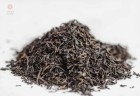
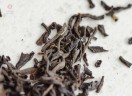
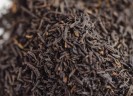
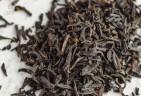
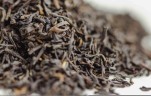
The leaf of Qi Hong Lao Cha is presented in the form of very small brown-brown needles with orange-gold inclusions. The discreet smell of the leaf gives off something honey-dried fruit: dates, sweet raisins. When warmed up with breath, the aroma intensifies.
Brewing
As with most red teas, the brewing temperature is around 90 degrees. Any kind of teaware can be used for this variety, depending on the drinker's preferences:
- a regular mug or a European teapot (1.5-2 grams of leaf for every 250 ml of water)
- gaiwan or clay teapot for steeping (5-6 grams per 100 ml of the volume of the dish)
- you can also try it in a thermos (3-4 grams per liter)
Tea, thanks to the small fraction of the leaf, brews quickly, so the first infusion is no more than 5 seconds. It is better to use a sieve. The leaf holds infusions well.
Taste and aroma of the infusion
The orange-honey colored infusion immediately hits the nose with a noble aroma of “lao”, or “aging”: a muted honey-woody accord evokes associations with high-quality shu pu-erhs. The taste is honey sweetness, light citrus or garnet sourness, and a faint caramel note of baking can be guessed in the background. As the infusion is steeped, more spicy, oriental notes appear in the taste and aroma: nutmeg, cloves, rose. A sharp shade of rye roasted malt. Bitterness of tobacco. The palette of associations is multifaceted and changeable, interesting to watch. The infusion leaves a long sweet aftertaste with a hint of spices.
Effect and mood
Tea tones well, warms, leaves a distinct feeling of clarity of mind and energy in the body. It is good for the start of the day, it will help you to gather yourself and concentrate on work. Of course, not for every day, but for a special mood or for a tea ceremony - an excellent option in the autumn-winter time. Tea for a careful, measured study of taste and aroma. Due to its aging, it will appeal to lovers of unusual reds, and is also suitable for getting to know the ideal tea for classic English tea drinking.
