GABA Hey Ho (Black Fire), "AA"


Oolong with history
Among oolongs, Lao Cha Wang (Chinese: “Lord of Old Tea”) style tea stands apart. According to legend, the tradition of making aged, repeatedly heated tea originated in monasteries: when an abbot died, a little tea collected in the last year of his life was sealed in a vessel and taken out after a while, heated to dry, and a ceremony was held in memory of this person. Currently, the production of aged oolong begins at the stage of preliminary preparation of the tea: the twisted and fermented leaf is fried more than usual, then sealed in a clay vessel with sealing wax or wax and usually left for a year. The tea is regularly removed, dried and heated if necessary, then returned to age, and the cycle is repeated. “Lao”, that is, “old”, “aged”, tea begins to be after the third year, but they are usually aged much longer.
Tea intended for processing in the Lao Cha Wan style can also be pre-prepared using GABA technology: oxygen-free fermentation in a nitrogen environment, which significantly increases the concentration of GABA in the leaf and enhances the relaxing effect inherent in aged and highly heated oolongs.
Appearance and aroma of dry leaf
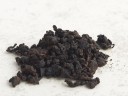
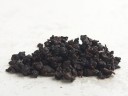
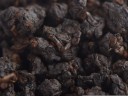
Externally, GABA Hey Ho looks like a typical Taiwanese oolong of strong fire: tightly twisted knots-"pearls" of black color with golden inclusions of stems, with a silky shine. The leaf gives off a weak smoky aroma, reminiscent of a crust of burnt sugar on crème brûlée, and there is something sour, from a tea rose. When warmed by breathing, the smell becomes sweeter, baked and at the same time slightly peppery, camphor. The style of Lao Cha Wan gives itself away with recognizable notes of something mineral-coal and as if enveloping in a viscous warm fog.
Brewing
The temperature is 90 degrees, or even 95 – as soon as the kettle stops jumping from the boiling water.
- Infusions: 5-6 grams of leaf per 100 ml of gaiwan
- In a thermos: 4–5 grams per liter
- In a mug: 2 grams per 250–300 ml, infusion for 3–5 minutes
The first infusion of Taiwanese oolongs is drained to allow the leaf to open up a little.
Taste and aroma of the infusion
The caramel-orange infusion with a pinkish tint smells of a campfire, tar, freshly opened medical bandages, and smoked vanilla. It’s like settling down for the evening in the forest by the fire. The taste is creamy with a hint of burnt sugar, continuing the theme of the aroma of dry leaves and associations with crème brulee. With each sip, a barely perceptible bitter shade of burnt wood is felt on the palate. The infusion is sweet, a little rough from the smokiness, warming and not too intense. The bottom of the bowl smells of creamy toffee. On the lid of the gaiwan is something iodine-herbaceous, with a hint of tobacco. As you pour, the sweetness gives way to the taste of cocoa, spices, the smokiness becomes softer and enveloping. The aftertaste is creamy, with a hint of smoke.
Effect and mood
The tea quickly and noticeably relaxes, slows down and calms the mind, warms the body. Suitable for afternoon tea parties. The sweet-creamy-smoky profile paints a picture of relaxing by a campfire, with a blanket of earthy-smelling fog and a slightly burnt melted marshmallow on a stick. The tea relieves nervous tension well, helps to switch off. Will appeal to lovers of relaxing tea and aged, strongly heated oolongs with a bright aroma of smoke.
