GABA "Winter Forest" "AA"


Taiwanese teas – the taste of mountains and warmth
Taiwanese tea plants do not know the winter we are used to. Only the highest mountain peaks of the island can be covered with snow caps. However, high in the mountains it is still difficult for tea, and those varieties that are grown on the slopes are distinguished by unique iridescent aromas and tastes. For example, such is the TTES No. 12 Jin Xuan variety, from which the famous milky oolong is obtained: high-mountain varieties themselves, without the addition of flavoring, have a rather rich and expressive creamy taste, due to the growing conditions. And, for example, GABA processing of Taiwanese oolongs gives them a common unique spicy-sour note and an oily appearance of the infusion, which has a pronounced calming and relaxing effect. Many Taiwanese tea varieties have another unusual side: mint-menthol notes in the taste, in hot weather especially clearly reminiscent of coolness and winter. GABA “Winter Forest” with its name sets the expectation of something similar, although, perhaps, everything turns out to be a little more complicated, and you need to try it to understand what the secret is.
Appearance and aroma of dry leaf
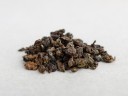
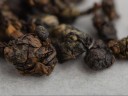
Greenish-golden oolong pearls of GABA oolong “Winter Forest” are twisted very tightly and smell fresh and ripe garden fruits: peaches, pears, grapes, there is also a honey-floral sweet note. When warmed up, the smell becomes more dried fruit: dried apricots, raisins, dried apples, figs.
Brewing
The temperature should be within 90-95 degrees: the higher, the better GABA passes from the leaf into the infusion, making it more oily and opalescent in appearance. If you take slightly colder water, the tea will be much richer in aromas, which are quite varied in medium-heated oolong. Brewing methods:
- infusions (4-5 grams of leaf per 100 ml), although the taste turns out to be poorer than the aroma
- infusion (1.5 grams per 250 ml, 3-5 minutes)
- in a thermos (4 grams per liter)
We drain the first water so that the leaf opens up a little.
Taste and aroma of the infusion
The golden oily infusion smells like flower nectar. The taste is light, refreshing, with an enveloping sourness typical of GABA oolongs, notes of custard cookies, overtones of lilac, plum, and mandarin. Frosty mint tones are felt on the gaiwan lid. You want to drink it and drink it, listening to the aroma and feeling of freshness, not quite typical for heated oolongs. The tea cools the throat a little, although there is no pronounced menthol in the taste. A slightly strange sensation, as if you are drinking cool lemonade, although the tea is hot. Leaves a light fruity aftertaste.
Effect and mood
The tea noticeably calms, relaxes, and lifts the mood. Disperses anxious and burdensome thoughts. The soul is in a state of peace and carelessness. An excellent option for evening tea, especially in hot weather. Quite a typical representative of GABA oolongs with a pleasant rich aroma, but an unusual “cooling” effect, will appeal to lovers of fragrant fruity-floral oolongs and relaxing tea.
