GABA “Winter Forest” “AA”


Taiwanese teas – the taste of mountains and warmth
Taiwanese tea plants do not experience a traditional winter as we know it. Only the highest mountain peaks of the island are covered with snow caps. Nevertheless, at high altitudes tea still grows under challenging conditions, and the varieties cultivated on these slopes are distinguished by unique layers of aroma and flavor. For example, TTES No. 12 Jin Xuan — the cultivar used for the famous milk oolong — naturally develops a rich, creamy profile due to its growing environment, even without added flavoring. Likewise, GABA processing of Taiwanese oolongs gives them a distinctive spicy-sour note and an oily liquor texture, along with a noticeable calming and relaxing effect. Many Taiwanese teas also carry an unusual minty or cooling nuance in their flavor, which in hot weather can feel especially reminiscent of winter and cold air. The GABA “Winter Forest” suggests exactly this idea, though the reality is a bit more complex — something best understood through tasting.
Appearance and aroma of the dry leaf
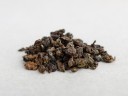
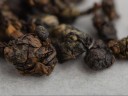
The greenish-golden GABA oolong pearls of “Winter Forest” are tightly rolled and carry a fresh aroma of ripe orchard fruits: peach, pear, and grape, along with a honey-floral sweetness. When warmed, the aroma shifts toward dried fruits: apricot, raisin, dried apple, and fig.
Brewing
The optimal temperature range is 90–95°C: the higher the temperature, the more GABA (GAMK) is extracted into the liquor, making it more oily and slightly opalescent. Lower temperatures preserve a wider aromatic range, which is especially rich in medium-roast oolongs.
Brewing methods:
- Gongfu style (4–5 g per 100 ml), though this results in a slightly less aromatic but more concentrated taste
- Infusion (1.5 g per 250 ml, 3–5 minutes)
- Thermos (4 g per liter)
The first rinse is recommended to allow the leaves to open up.
Taste and aroma of the infusion
The golden, oily liquor smells like floral nectar. The taste is light and refreshing, with a soft enveloping acidity typical of GABA oolongs, along with notes of custard biscuit, lilac, plum, and mandarin. On the lid of the gaiwan, a subtle minty-frosty impression can be felt. The tea invites continuous sipping, revealing freshness and aroma that are not entirely typical for roasted oolongs. It slightly cools the throat, even though no actual menthol is present — creating a curious sensation of drinking a chilled lemonade while the tea is still hot. The aftertaste is light and fruity.
Effect and mood
The tea noticeably calms, relaxes, and lifts the mood. It helps dissolve anxious or heavy thoughts, leaving a sense of peace and ease. An excellent choice for evening tea sessions, especially in warm weather. A classic representative of GABA oolongs with a rich aromatic profile and a unique cooling sensation — well suited for those who enjoy fragrant, fruity-floral teas with a relaxing effect.
