Yixing Hong Cha "AA" (Red Tea from Yixing)


Yixing ceramics - not just teapots
The famous Yixing ware is not limited to teapots. Already 3000-5000 years ago, in the area where the city of Yixing is located, they made ware from unique colored clay, saturated with kaolin, mica and metal oxides. Baking at high temperatures (not lower than 1200 degrees) in special “dragon furnaces”, metal flakes form a unique structure with tiny pores, which does not require glazing. Real Yixing clay feels like stone to the touch, and when constantly used, polished by friction of hands, it shines glossy and greasy. Thin-walled Yixing vessels “breathe” well and kept any liquids placed in them fresh for a long time, for which they were highly valued. Only much later, around 400 BC, the beginning of the production of Yixing teapots with the same unique properties was laid. And if there is a teapot, there must be tea. Red teas from the area around Yixing are excellent for brewing in Yixing clay, which in turn reveals the full potential of red tea.
Appearance and aroma of dry leaf
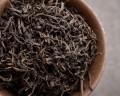
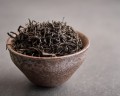
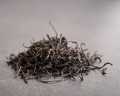
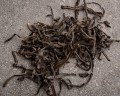
The reddish-black, slightly carelessly twisted leaf of Yixing Hong Cha smells of something floral-spicy and slightly minty, refreshing. When warmed by breath, a gingerbread mixture of spices appears: cinnamon, ginger, black pepper, a note of viscous resinousness, the sweetness of caramel.
Brewing
Temperature 85-90 degrees.
- It is better to prepare it by steeping in a Yixing teapot (5-6 grams of leaf per 100 ml)
- You can infuse it (2 grams per 250 ml, 3-4 minutes)
- In a thermos (4 grams per liter)
Taste and aroma of the infusion
The copper-orange infusion smells of oriental spices: saffron, allspice, cloves, Ceylon sweet cinnamon. The taste of the infusion is sweet and sour with woody tones, leaning more towards the sour side: currant, quince, peach. Vanilla, raisin and toasted notes of heavy buttery pastries. The wet leaf smells of smoke and freshly cut medicinal herbs. As you steep, the flavor profile finally shifts towards sourness: either berry or citrus, soft, but well-defined. The taste is smooth, refreshing, delicate, but full-bodied, clearly defined and practically without the sweetness characteristic of more budget reds. The infusion has a distinct “Middle Eastern” mood, although it is noticeably sour. As if you were eating a slice of unsweetened saffron pastry with peach or orange jam. The tea leaves a long spicy-floral astringent aftertaste.
Effect and mood
The tea gently tones, puts thoughts in order, warms and slightly lifts the mood. Suitable for tea parties in the first half of the day, will appeal to lovers of unsweetened, but not tart red teas. Some oriental sweets will go well with this variety, but it is also great to drink on its own.
