

Moli Bitan Piao Xue "AA" (Swirling Jasmine Snow)


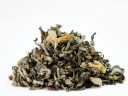
Many people like to drink tea as is, without additives, with all the half-tones of aroma and taste that are determined by the type and degree of processing of the tea leaf. On the other hand, tea aromatization was learned in China centuries ago, long before the invention of artificial substances. It is generally accepted that low-quality teas are aromatized in order to hide their shortcomings, but in the case of natural additives this is absolutely wrong: organically grown, hand-picked flowers are too expensive to transfer them to low-quality tea. One of the most famous flowers for aromatizing tea leaves, along with chrysanthemum and osmanthus, is jasmine. Hand-picking of buds is preferable, after which the prepared green tea is repeatedly mixed with fresh flowers so that the leaf is saturated with fragrant essential oils. “Moli” in the variety’s name indicates the presence of jasmine, “Bitan” is the place in Sichuan Province where the tea leaves are collected: the two top leaves and buds covered with silver fluff. Slowly settling in a tall glass, the tea leaves slowly swirl, reminiscent of falling snow.
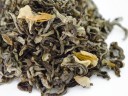
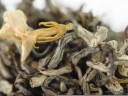
The appearance of the leaf is medium-sized silvery-green spirals of individual tea leaves, mixed with petals and sometimes with whole jasmine buds. The smell is quite intense, but gentle, floral, jasmine, spreads well through the air and is felt even half a meter from the chahe with the tea leaf. When warmed by breathing, a bitter herbal note is added to the floral sweetness.
Green teas are delicate and do not tolerate high temperatures. Optimally 70 degrees, for brewing you can use a thin-walled or glass gaiwan or a tall glass mug. For drinking by pouring, 4-5 grams of tea per 140 ml gaiwan is enough, for a standard mug - 1.5-2 grams. More leaves - higher astringency of the infusion.
The color of the infusion is pale yellow, pleasant to look at, “sunny”. The aroma of the tea is initially intense, floral-honey, jasmine, but as you steep it quickly subsides and is replaced by a grassy, pumpkin-watermelon smell of good green tea. The taste is slightly astringent, rough, with a hint of seaweed saltiness and a light floral accent. As it cools, the bitterness increases, so it is better to drink jasmine tea hot. The aftertaste is bittersweet. The tea is delicate, without harshness in taste and aroma, does not draw too much attention to itself and, when brewed in a mug, will perfectly accompany sedentary work. It tones, fills with strength, which is typical for green teas. The smell of jasmine gently envelops and lifts the mood. The variety will appeal to lovers of flavored tea, even if they have a habit of bright artificial additives.
